
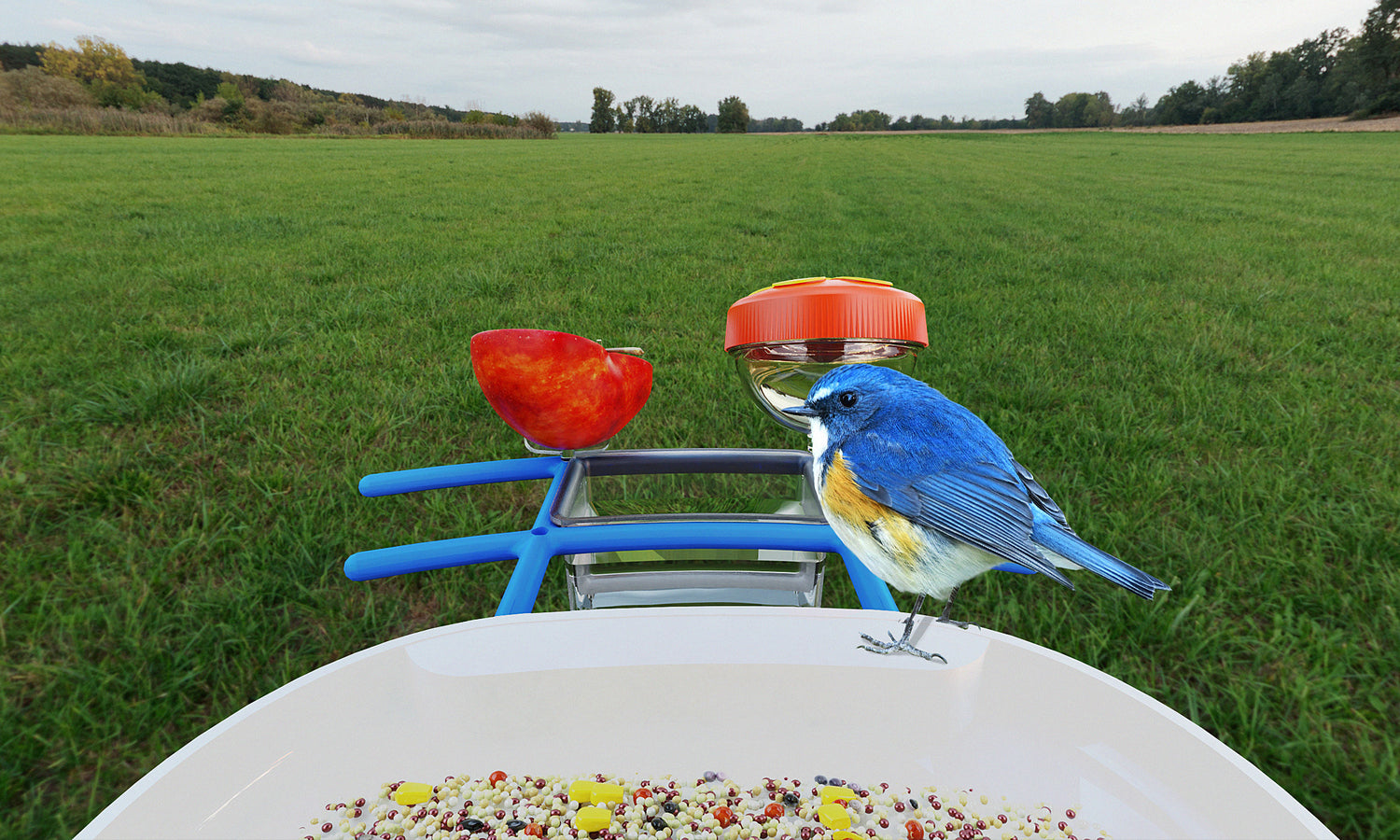
Why Summer Is the Hardest Season for Feeder Hygiene
In winter, a feeder can go a week without cleaning and birds will be fine. In summer, that same feeder can become dangerous in 48 hours. Temperatures above 80°F cause nectar to ferment, suet to melt and go rancid, and wet seed to grow mold — all of which can sicken or kill birds.
The good news: a simple cleaning routine keeps feeders safe all season. The better news: some feeder designs make this dramatically easier than others.
How Often to Clean Each Feeder Type
- Nectar/hummingbird feeders: Every 2 days when temps exceed 80°F. Every day above 90°F. Cloudy nectar or black mold spots mean it's already overdue.
- Seed feeders: Every 1–2 weeks minimum. Check for clumping or wet seed after rain — clean immediately if found.
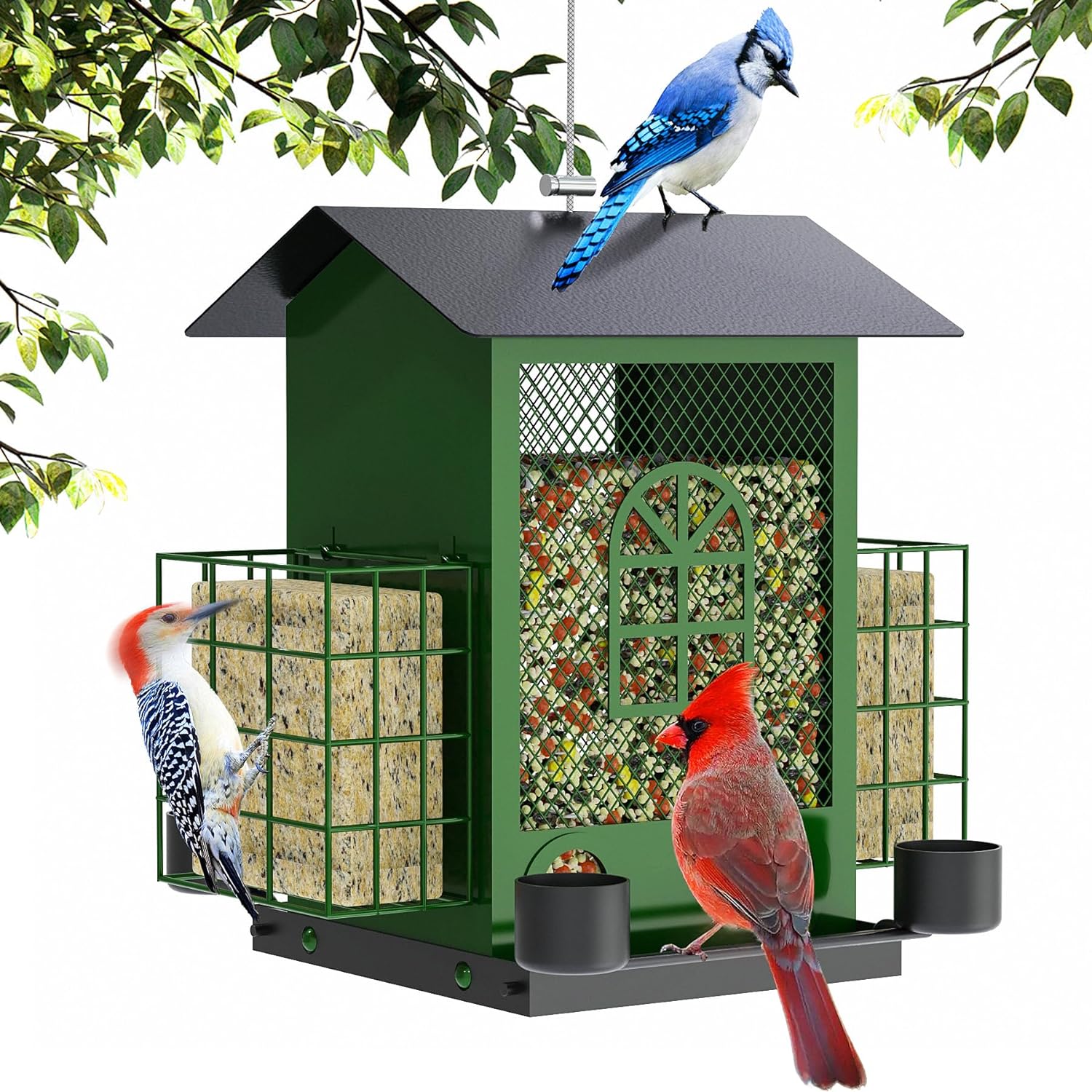
- Suet feeders: Switch to no-melt suet formulas in summer. Clean the cage weekly and inspect for rancid smell.
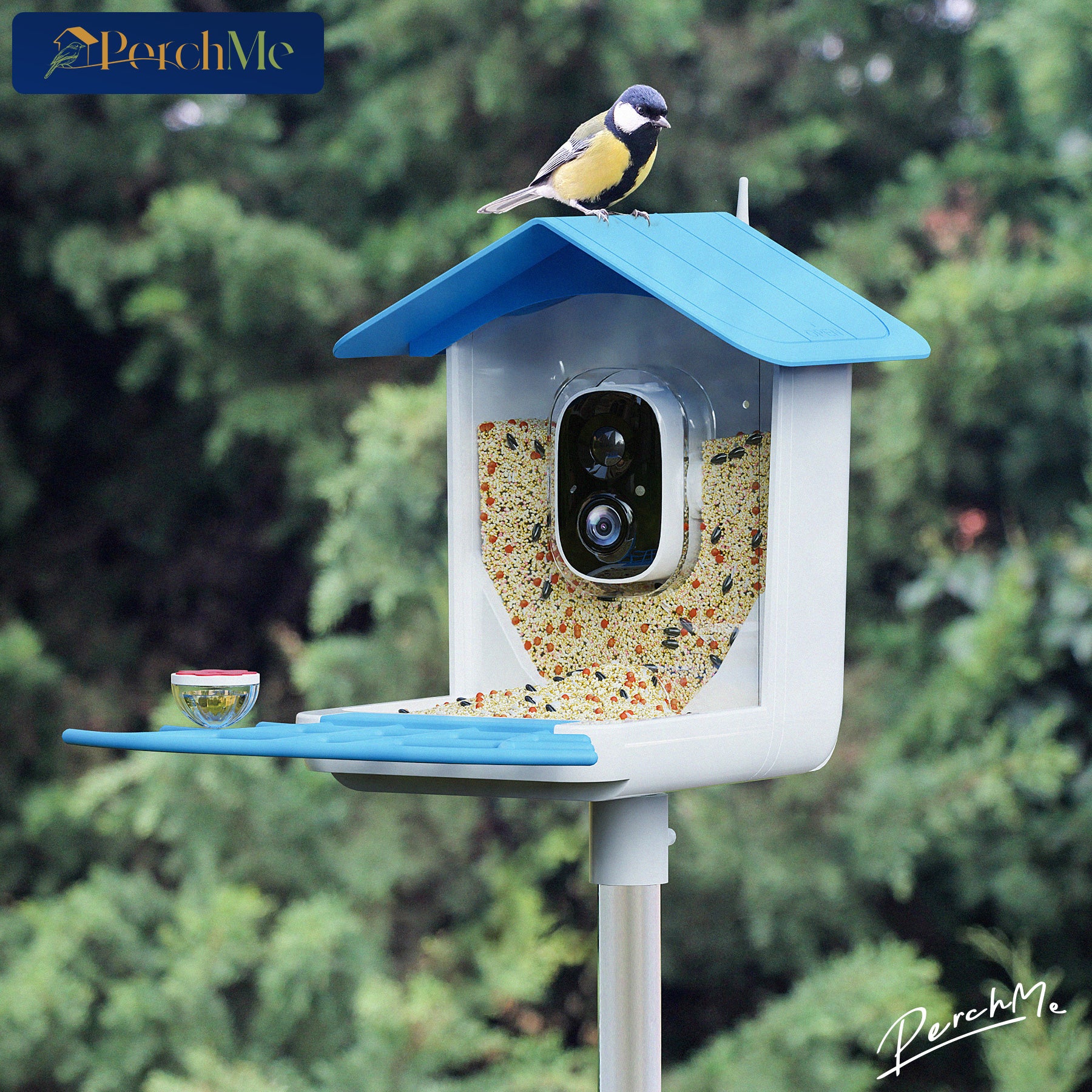
- Smart feeders with cameras: Wipe the camera lens and feeder tray weekly. The sealed electronics are weatherproof, but the feeding area still needs regular cleaning.
The Right Way to Clean a Bird Feeder
- Disassemble completely. Remove all ports, perches, and reservoirs. You can't clean what you can't reach.
- Discard old food. Never top off — always empty and refill with fresh food.
- Soak in a 9:1 water/bleach solution for 10 minutes. This kills mold, bacteria, and most pathogens.
- Scrub with a dedicated brush. Use a bottle brush for tubes and a toothbrush for ports and crevices.
- Rinse thoroughly — multiple times. Bleach residue harms birds.
- Dry completely before refilling. Moisture accelerates mold growth. Air dry in the sun for at least an hour.
Feeder Design Makes a Huge Difference
Not all feeders are equally easy to clean. The worst offenders are tube feeders with narrow ports and non-removable bases — seed compacts at the bottom and mold grows where you can't reach it. The best feeders for summer maintenance have wide openings, removable components, and smooth interior surfaces.
The PerchMe Smart AI Bird Feeder is designed with maintenance in mind — the feeding tray detaches for easy cleaning, and the solar-powered electronics are fully sealed and weatherproof. No battery compartments to trap moisture, no complex disassembly.
Placement Tips That Reduce Cleaning Frequency
- Shade in the afternoon. Direct afternoon sun accelerates spoilage. Position feeders where they get morning light but afternoon shade.
- Use smaller quantities of food. Fill feeders halfway in summer so food turns over faster and doesn't sit long enough to spoil.
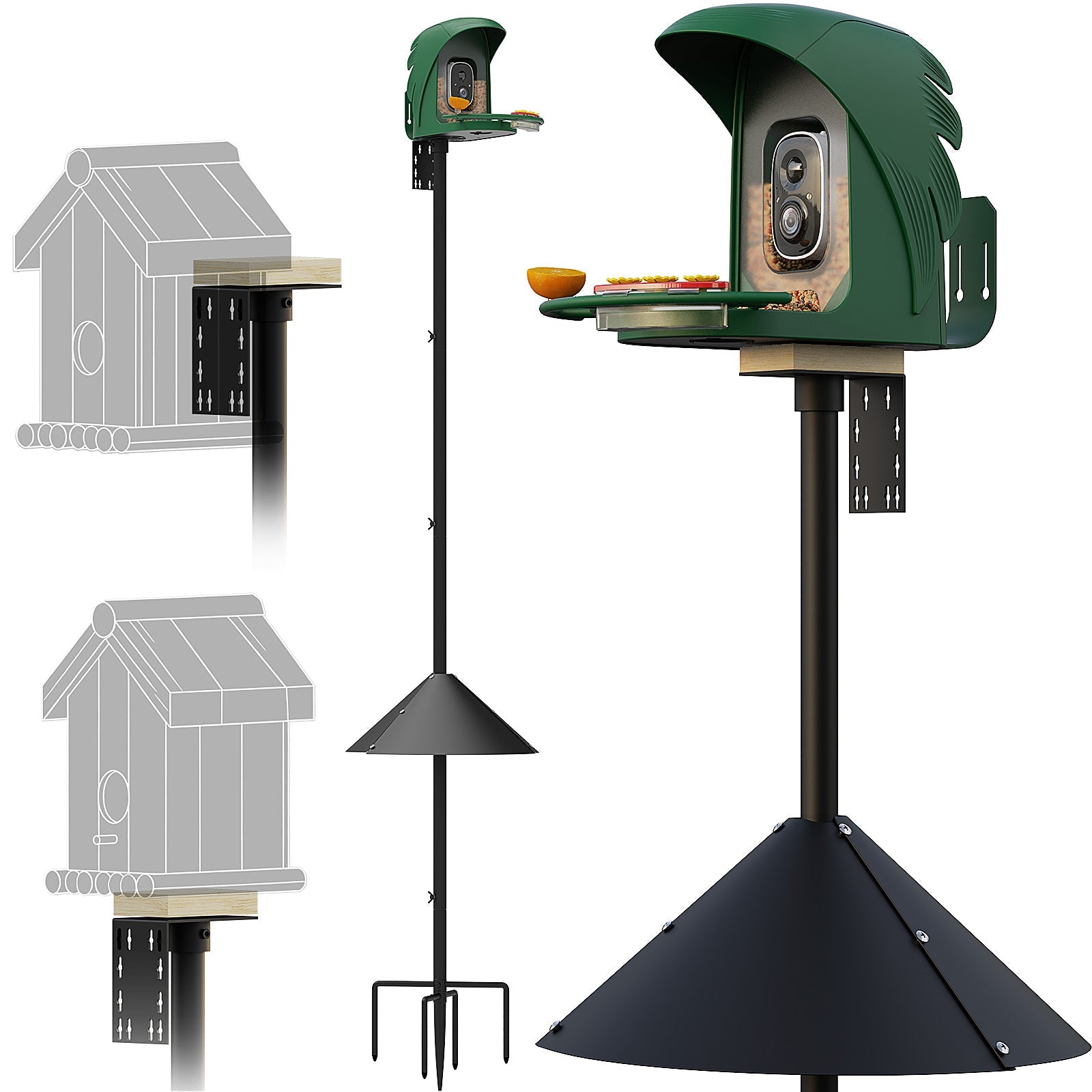
- Elevate feeders on a pole. Ground-level feeders accumulate debris and moisture faster. A height-adjustable pole station keeps feeders off the ground and improves airflow around the feeder body.
- Add a weather guard/dome. Keeps rain out of seed feeders, dramatically reducing wet-seed mold problems.
Signs a Feeder Is Making Birds Sick
Watch for birds that appear lethargic, have trouble flying, or congregate on the ground near feeders. Salmonella and aspergillosis (a fungal lung infection from moldy seed) are the most common feeder-related illnesses. If you see sick birds, take feeders down immediately, clean thoroughly, and wait a week before putting them back up.
Bottom Line
Summer feeder maintenance isn't optional — it's the difference between a backyard that helps birds and one that harms them. A consistent cleaning routine, smart food quantities, and a well-designed feeder make it manageable even in the hottest months.
Upgrade to a feeder built for easy maintenance: PerchMe Smart AI Bird Feeder | PerchMe Deluxe Pole Station


Leave a comment
All comments are moderated before being published.
This site is protected by hCaptcha and the hCaptcha Privacy Policy and Terms of Service apply.