
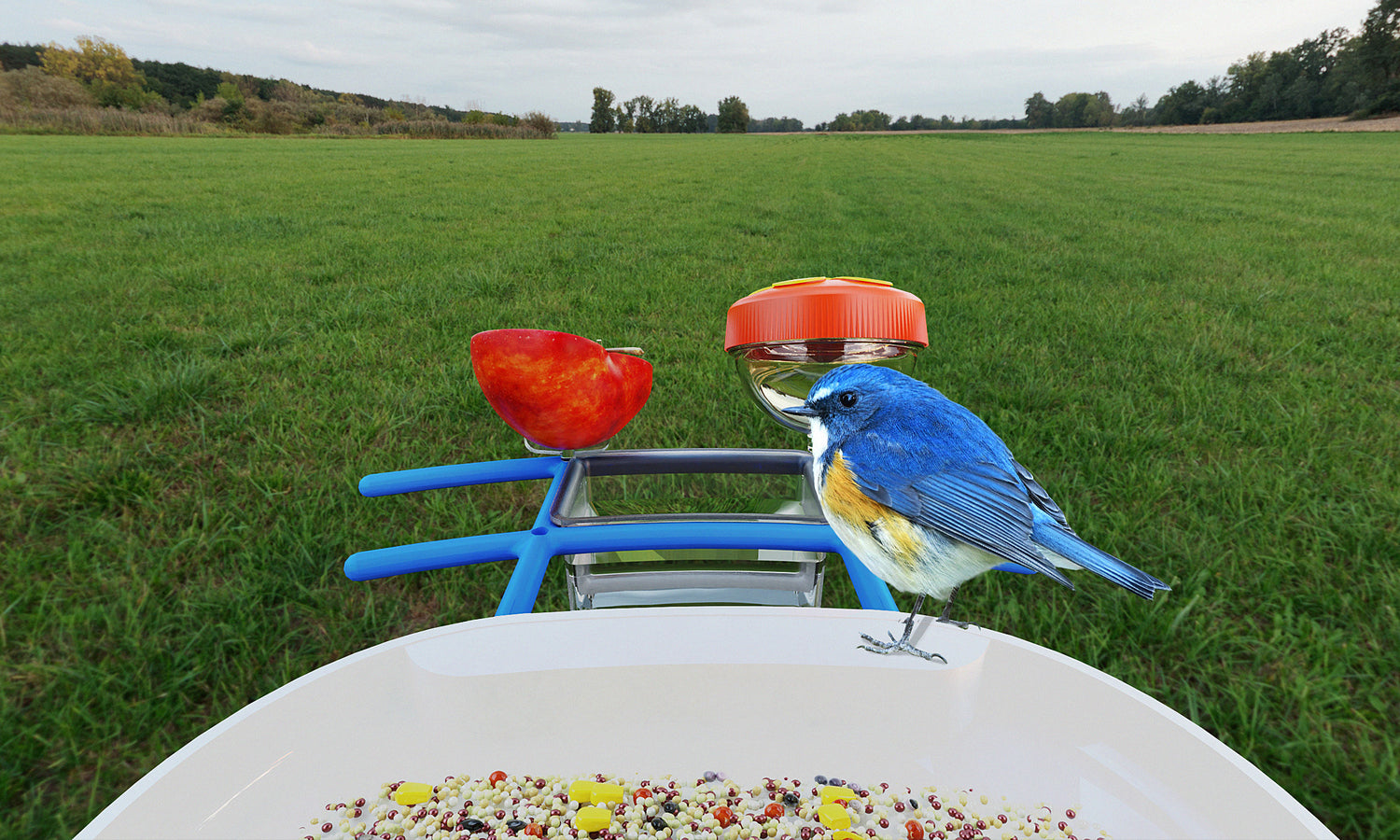
Why Hummingbirds Are Worth Feeding Right
July and August mark peak hummingbird activity across North America. Ruby-throated hummingbirds are fueling up before their epic fall migration, and in the western US, multiple species — Rufous, Anna's, Black-chinned — are competing for nectar sources. If your feeder setup isn't optimized, you're missing the best show of the year.
Here's what actually matters when choosing a hummingbird feeder in 2026.
What to Look for in a Hummingbird Feeder
- Easy to clean: Nectar ferments fast in summer heat. A feeder you can't clean thoroughly will grow mold and harm birds.
- Ant and bee guards: Insects competing for nectar will drive hummingbirds away.
- Capacity: Smaller feeders (8–16 oz) are better in summer — you'll refill more often, keeping nectar fresh.
- Visibility: Red color and wide port spacing attract more birds.
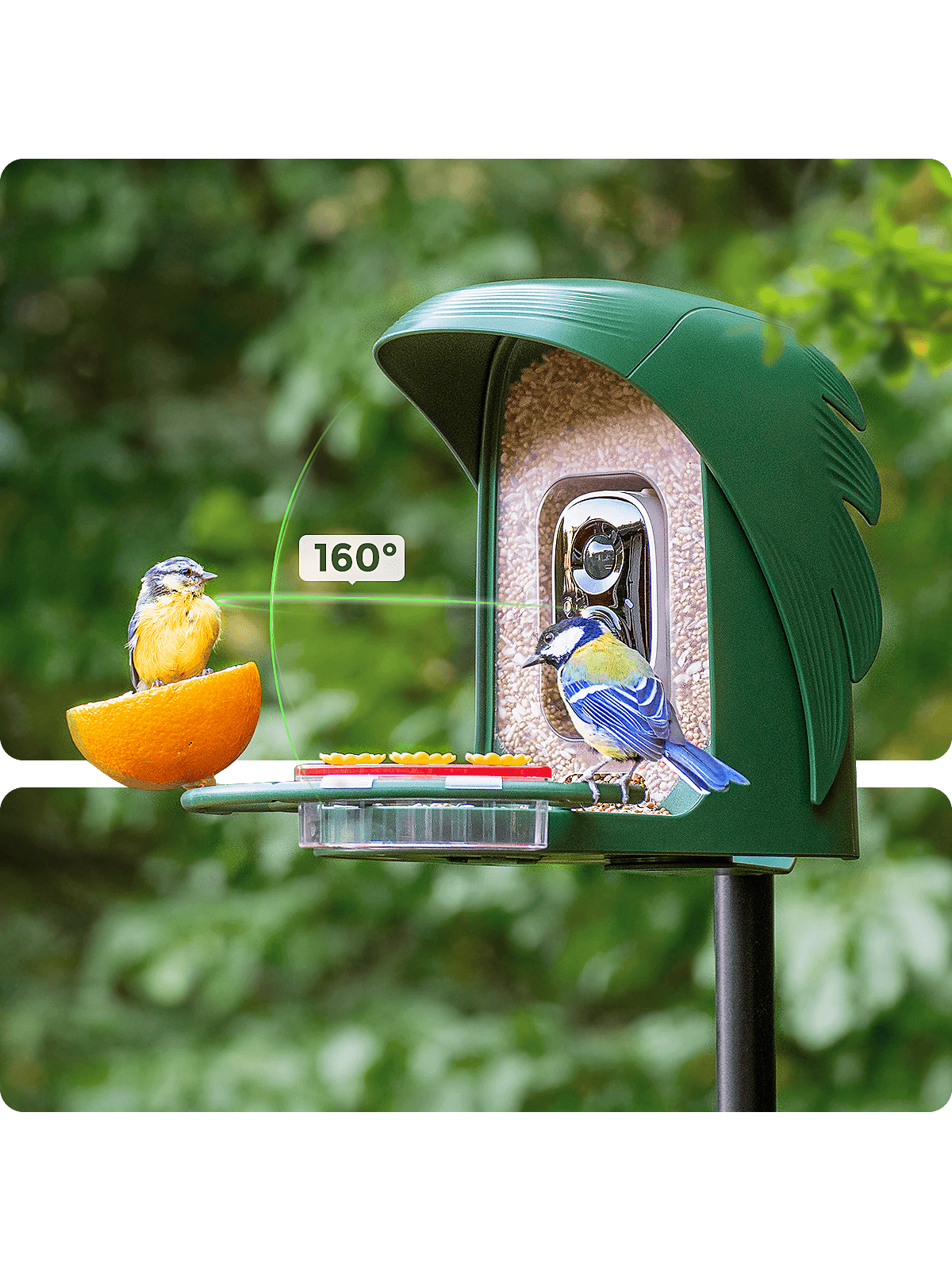
- Camera integration: The newest category — smart feeders that identify species and capture footage automatically.
Traditional vs. Smart Hummingbird Feeders
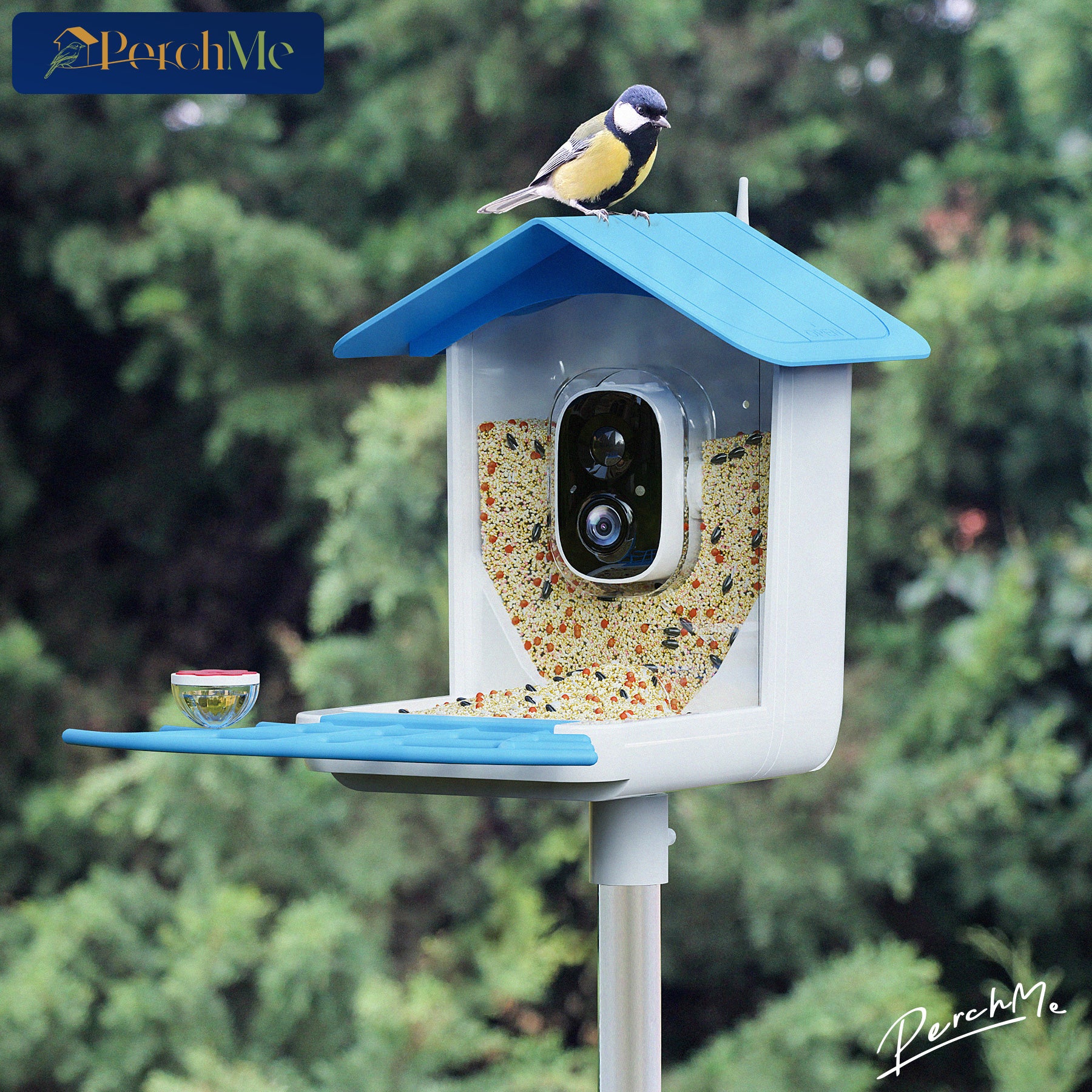
Traditional nectar feeders do the job, but they leave you guessing. You don't know which species visited, when they came, or how many. A smart bird feeder with a 2K AI camera changes that entirely.
The PerchMe Smart AI Bird Feeder uses on-device AI to identify visiting species in real time — including hummingbirds — and auto-captures photos and video the moment a bird lands. Solar-powered and weatherproof, it runs year-round without battery swaps.
The Best Setup for Hummingbirds: Feeder + Pole
Placement matters as much as feeder choice. Hummingbirds prefer feeders at eye level (5–6 feet), away from windows, and near flowering plants. A sturdy, adjustable pole station lets you dial in the perfect height and move the feeder seasonally.
The PerchMe 91" Standard Pole Station and the PerchMe 92" Deluxe Pole Station both include squirrel baffles and universal adapters — compatible with virtually any feeder, including nectar feeders.
Tips for Attracting More Hummingbirds This Summer
- Use plain white sugar and water (4:1 ratio). Never use red dye, honey, or artificial sweeteners.
- Change nectar every 2–3 days in temperatures above 80°F.
- Place feeders near red or orange flowers — salvia, bee balm, and trumpet vine are hummingbird magnets.
- Hang multiple feeders at least 10 feet apart to reduce territorial aggression between males.
- Keep a log of species. A smart feeder does this automatically — traditional feeders require a field journal.
Bottom Line
For pure nectar feeding, any clean, easy-to-maintain feeder works. But if you want to know which hummingbirds are visiting, when, and capture stunning footage automatically, a smart feeder is the upgrade that pays off all season long. Pair it with a height-adjustable pole station and you have a setup that works for hummingbirds — and every other backyard species — year-round.
Ready to upgrade your setup? Explore the PerchMe Smart AI Bird Feeder or browse our pole station collection to build your ideal backyard birding station.

コメントを書く
全てのコメントは、掲載前にモデレートされます
このサイトはhCaptchaによって保護されており、hCaptchaプライバシーポリシーおよび利用規約が適用されます。