
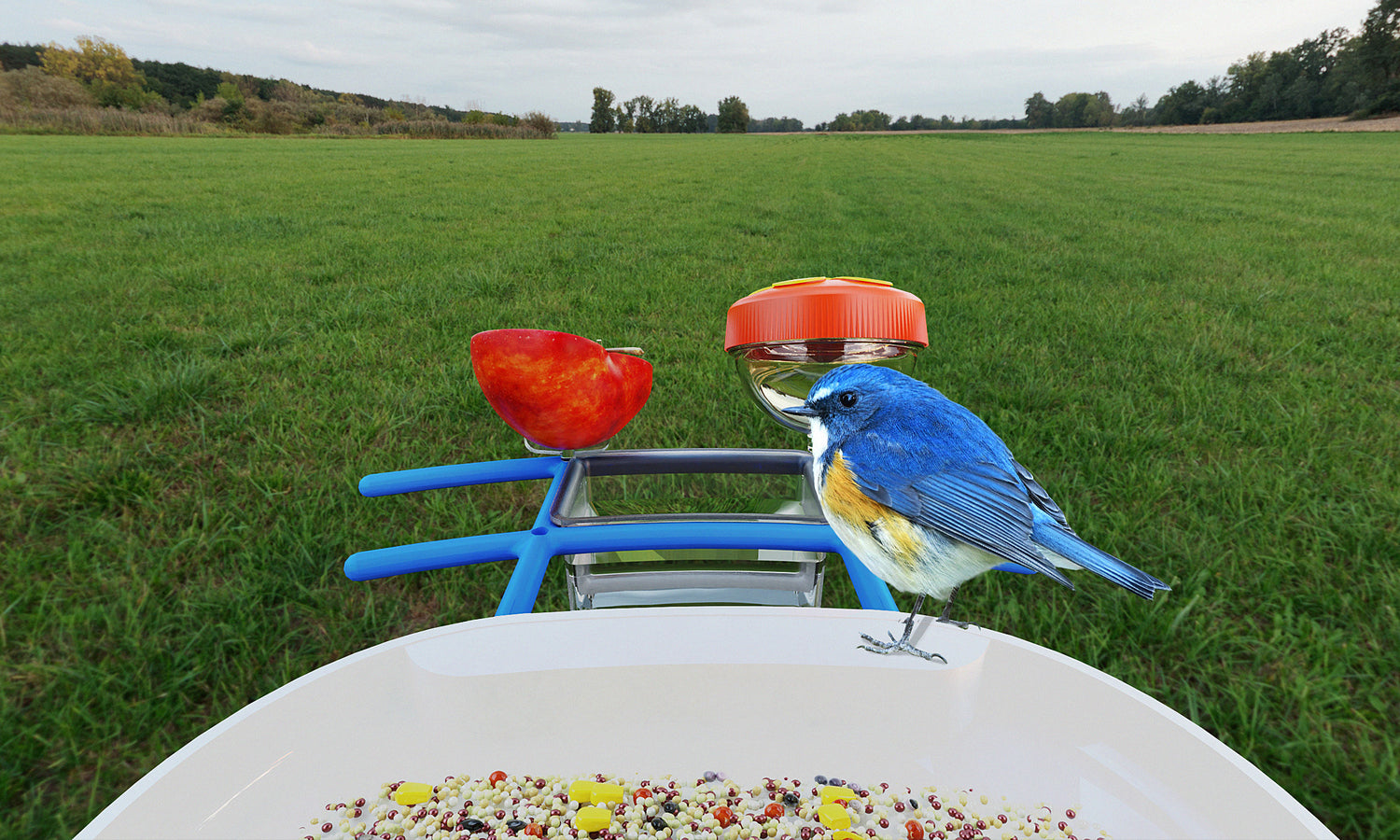
Why Backyard Birding Is Having a Moment
Over 60 million Americans feed backyard birds — and that number keeps growing. It's one of the most accessible wildlife experiences you can have without leaving home. You don't need binoculars, a field guide, or any prior experience. You need a feeder, the right food, and a decent spot to put it.
Here's how to get started the right way.
Step 1: Choose Your Location
Before buying anything, pick your spot. The ideal feeding station location is:
- Visible from indoors — a window with a clear sightline makes the whole experience worthwhile
- 10–12 feet from trees or fences — close enough for birds to feel safe, far enough to foil squirrel jumps
- Away from high-traffic areas — birds need to feel secure; heavy foot traffic near feeders keeps them away
- Near natural cover — shrubs or trees within 10 feet give birds a place to retreat if startled
Step 2: Get a Solid Pole Station
A dedicated pole station is the foundation of any serious feeding setup. Hanging feeders from trees works, but it gives squirrels easy access and limits your placement options.
For beginners, the PerchMe 91" Standard Pole Station is an excellent starting point — heavy-duty steel, integrated squirrel baffle, adjustable height, and a universal adapter that works with virtually any feeder. If you want room to expand to multiple feeders right away, the PerchMe 92" Deluxe Pole Station adds 360° rotating crossbars and multiple hooks.
Step 3: Start with One or Two Feeders
Don't overwhelm yourself with five feeder types on day one. Start simple:
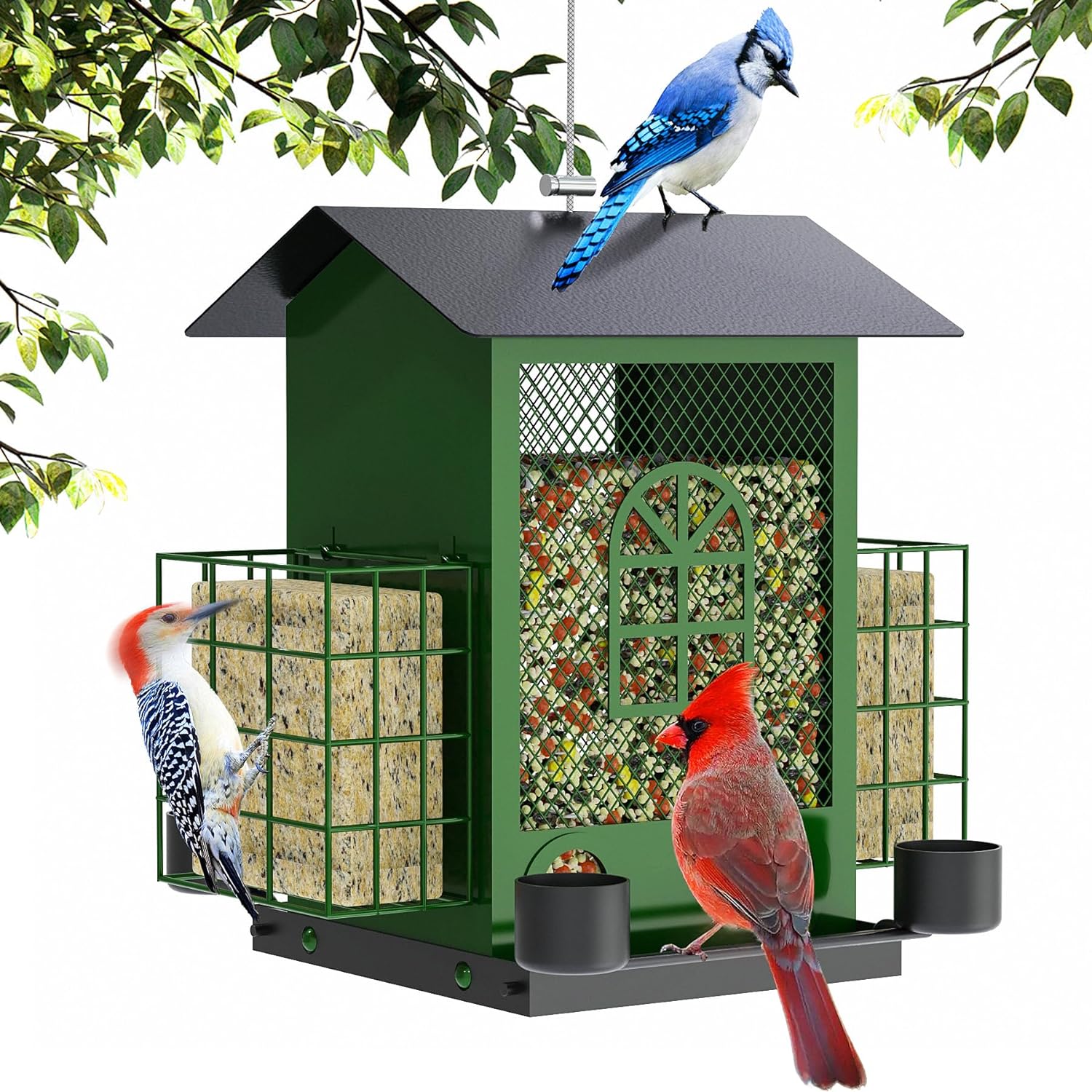
- A tube or hopper feeder with black-oil sunflower seed — attracts the widest variety of species including chickadees, finches, nuthatches, and cardinals
- A nectar feeder — if you want hummingbirds (and you do), add a small nectar feeder with fresh sugar water
Once you know which birds are visiting, you can add nyjer for goldfinches, suet for woodpeckers, or a platform feeder for ground-feeding species like juncos and sparrows.
Step 4: Consider a Smart Feeder
If you want to know exactly which species are visiting — and capture photos automatically — a smart feeder is the single biggest upgrade you can make as a beginner.
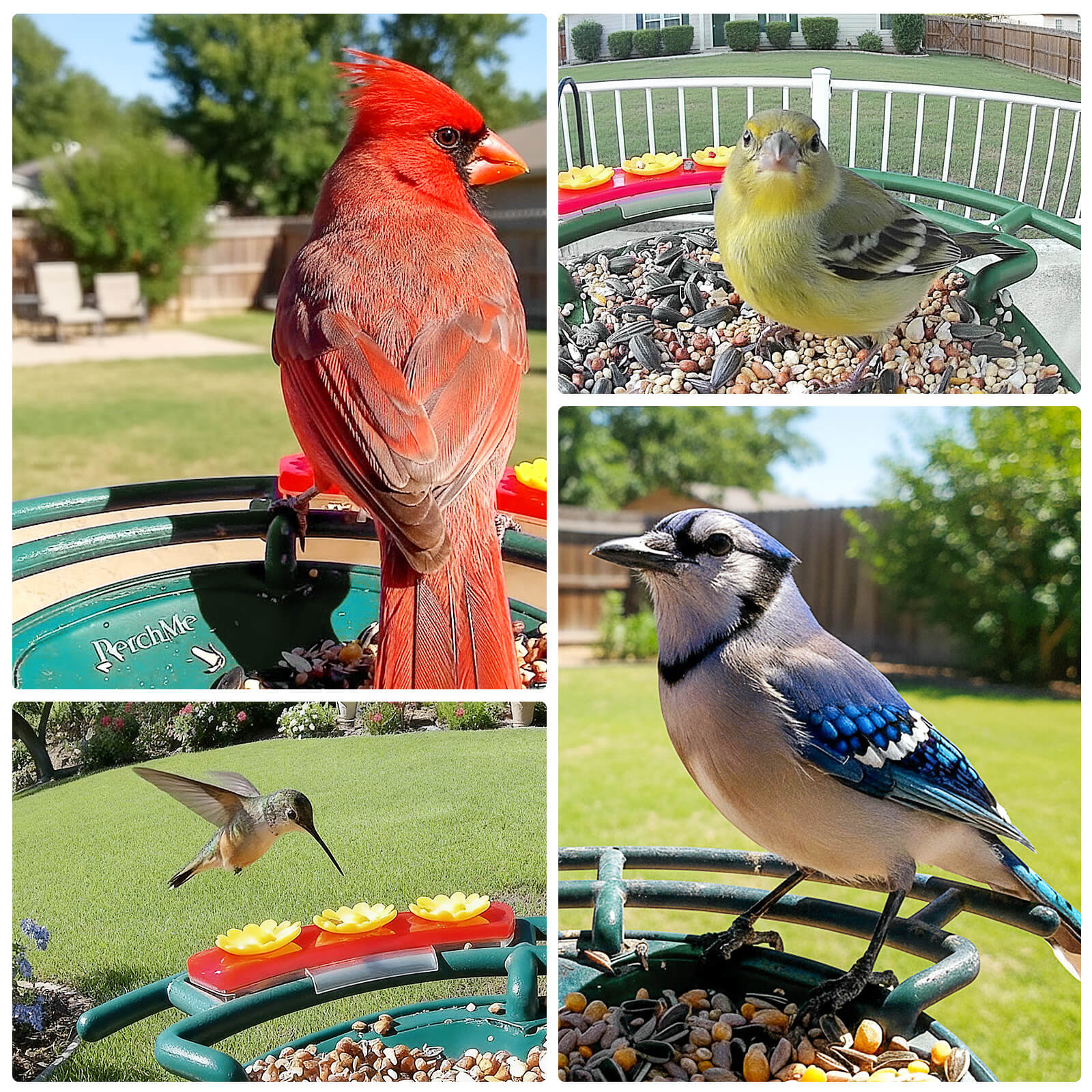
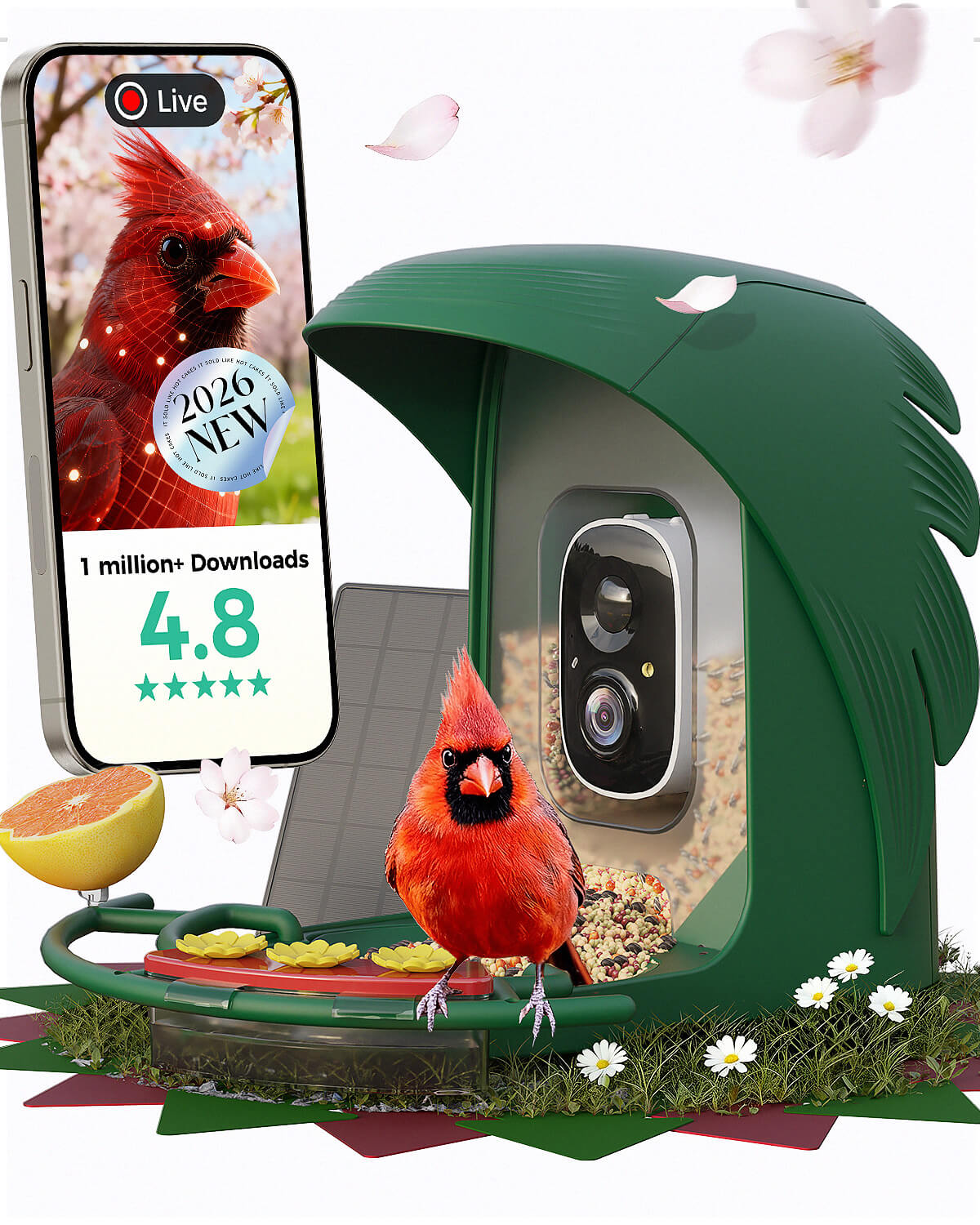
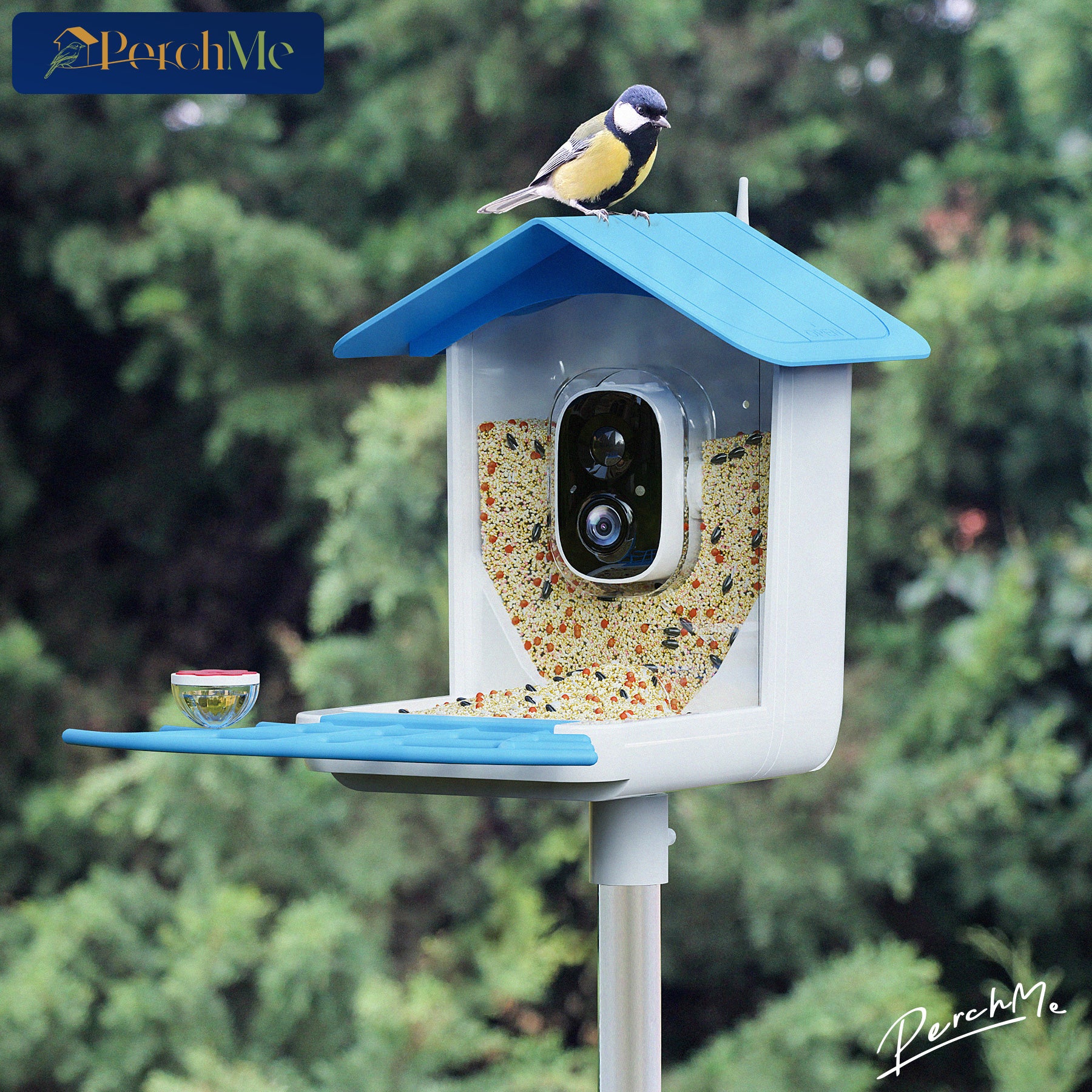
The PerchMe Smart AI Bird Feeder uses on-device AI to identify visiting species in real time and auto-captures 2K photos and video the moment a bird lands. Solar-powered and weatherproof, it requires no batteries or complex setup. For beginners, it removes the hardest part of birding — species identification — entirely.
The PerchMe Smart Feeder + Pole Bundle pairs the AI feeder with a heavy-duty adjustable pole — the complete beginner setup in one order.
Step 5: Use the Right Food
- Black-oil sunflower seed: The single best all-purpose seed. High fat content, thin shell, loved by almost every feeder bird.
- Nyjer (thistle): Essential for goldfinches and siskins. Requires a specialized nyjer feeder with small ports.
- Sugar water (4:1 water to white sugar): For hummingbirds. Never use red dye, honey, or artificial sweeteners.
- Suet cakes: High-energy food for woodpeckers, nuthatches, and chickadees. Use no-melt formulas in summer.
- Avoid: Mixed seed bags with milo, wheat, or oats — most feeder birds ignore these and they just pile up on the ground.
Step 6: Be Patient
New feeders can take days to a few weeks to attract regular visitors. Birds are cautious about new food sources. A few things that speed up the process:
- Scatter a small amount of seed on the ground near the feeder to signal food availability
- Add a birdbath nearby — water attracts birds faster than food in many cases
- Keep feeders consistently stocked — birds remember reliable sources and return daily once they find yours
What to Expect in Your First Month
Most beginners see their first visitors within a week. House sparrows and European Starlings often arrive first — don't be discouraged. Chickadees, nuthatches, and finches typically follow within 2–3 weeks. Cardinals, woodpeckers, and more specialized species come once your station is established as a reliable food source.
A smart feeder makes this discovery phase genuinely exciting — every new species gets automatically identified and photographed, building a personal record of your backyard wildlife from day one.
Your Beginner Shopping List
- PerchMe 91" Standard Pole Station — solid foundation for a single-feeder setup
- PerchMe 92" Deluxe Pole Station — if you want to run multiple feeders from day one
- PerchMe Smart AI Bird Feeder — automatic species ID and 2K photo capture
- Smart Feeder + Pole Bundle — complete beginner setup, one order

コメントを書く
全てのコメントは、掲載前にモデレートされます
このサイトはhCaptchaによって保護されており、hCaptchaプライバシーポリシーおよび利用規約が適用されます。