
The Most Common Hummingbird Feeder Mistake
Every August and September, well-meaning backyard birders take down their hummingbird feeders early — thinking it will "encourage" hummingbirds to migrate before cold weather arrives. This is a myth, and it's potentially harmful.
Hummingbirds migrate based on day length (photoperiod), not food availability. Taking down your feeder early doesn't trigger migration — it just removes a critical fuel source for birds that are already on their way south, including late migrants and juveniles making their first journey.
The rule: leave your feeder up for at least 2 weeks after you see your last hummingbird.
Hummingbird Migration Timeline by Region
Eastern US — Ruby-throated Hummingbird
- Peak southbound migration: Late August through September
- Last birds typically seen: Early to mid-October in most of the East; late October in the Deep South
- When to take down feeders: Mid to late October, or 2 weeks after your last sighting
Western US — Multiple Species
- Rufous Hummingbird: Begins moving south as early as late June; most have left the Pacific Northwest by August
- Anna's Hummingbird: Year-round resident in coastal California and the Pacific Northwest — keep feeders up all winter
- Black-chinned and Broad-tailed: Peak migration August through September; gone from most areas by October
- When to take down feeders: November for most of the West, or never if you have Anna's Hummingbirds
Gulf Coast and Deep South
- Ruby-throated Hummingbirds pass through later — some linger into November
- Rare western species (Rufous, Calliope, Buff-bellied) occasionally winter along the Gulf Coast
- Recommendation: Keep feeders up through November; year-round in South Texas and South Florida
What Happens in August: Peak Fueling Season
July and August are the most important months for hummingbird feeders. Birds are actively building fat reserves for migration — a Ruby-throated Hummingbird will nearly double its body weight before crossing the Gulf of Mexico in a single non-stop flight of up to 500 miles.
This is when your feeder matters most. Keep nectar fresh (change every 2 days in heat above 80°F), keep the feeder full, and watch for increased activity as birds fuel up.
How to Know When Migration Is Happening at Your Feeder
Migration brings unfamiliar birds — juveniles and birds from further north passing through your yard for the first time. Signs that migration is underway:
- Sudden increase in feeder activity — more birds than usual competing for ports
- Unfamiliar individuals — birds that look slightly different from your regulars (juveniles, different subspecies)
- Aggressive territorial behavior — males defending feeders intensely as competition increases
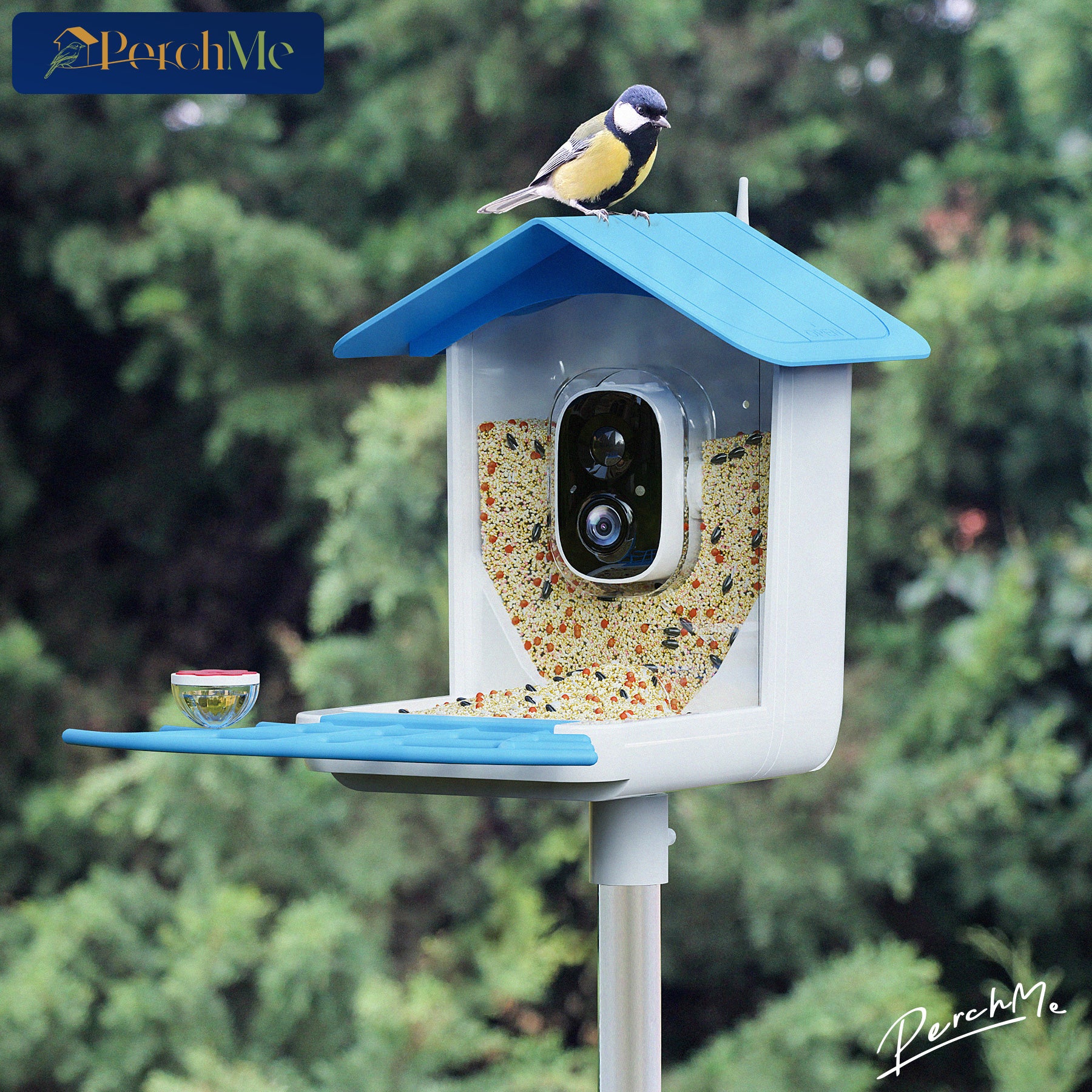
A smart feeder with AI species identification is particularly valuable during migration — it automatically identifies and photographs every visitor, so you'll know exactly which species are passing through and when. Rare western strays occasionally show up at eastern feeders during fall migration, and a smart feeder will catch them even when you're not watching.
Keeping Nectar Fresh During Hot Weather
August heat is the enemy of fresh nectar. At temperatures above 80°F, sugar water ferments within 48 hours and can grow harmful mold and bacteria. Tips for keeping nectar safe:
- Change nectar every 2 days when temps exceed 80°F
- Use smaller feeders so nectar turns over faster
- Position feeders in afternoon shade to slow fermentation
- Clean feeders thoroughly with each refill — a 9:1 water/bleach solution, rinsed completely
Should You Put Out More Feeders During Migration?
Yes — especially in August and September. Multiple feeders reduce territorial aggression and allow more birds to fuel up simultaneously. Space feeders at least 10 feet apart so dominant males can't guard all of them at once.
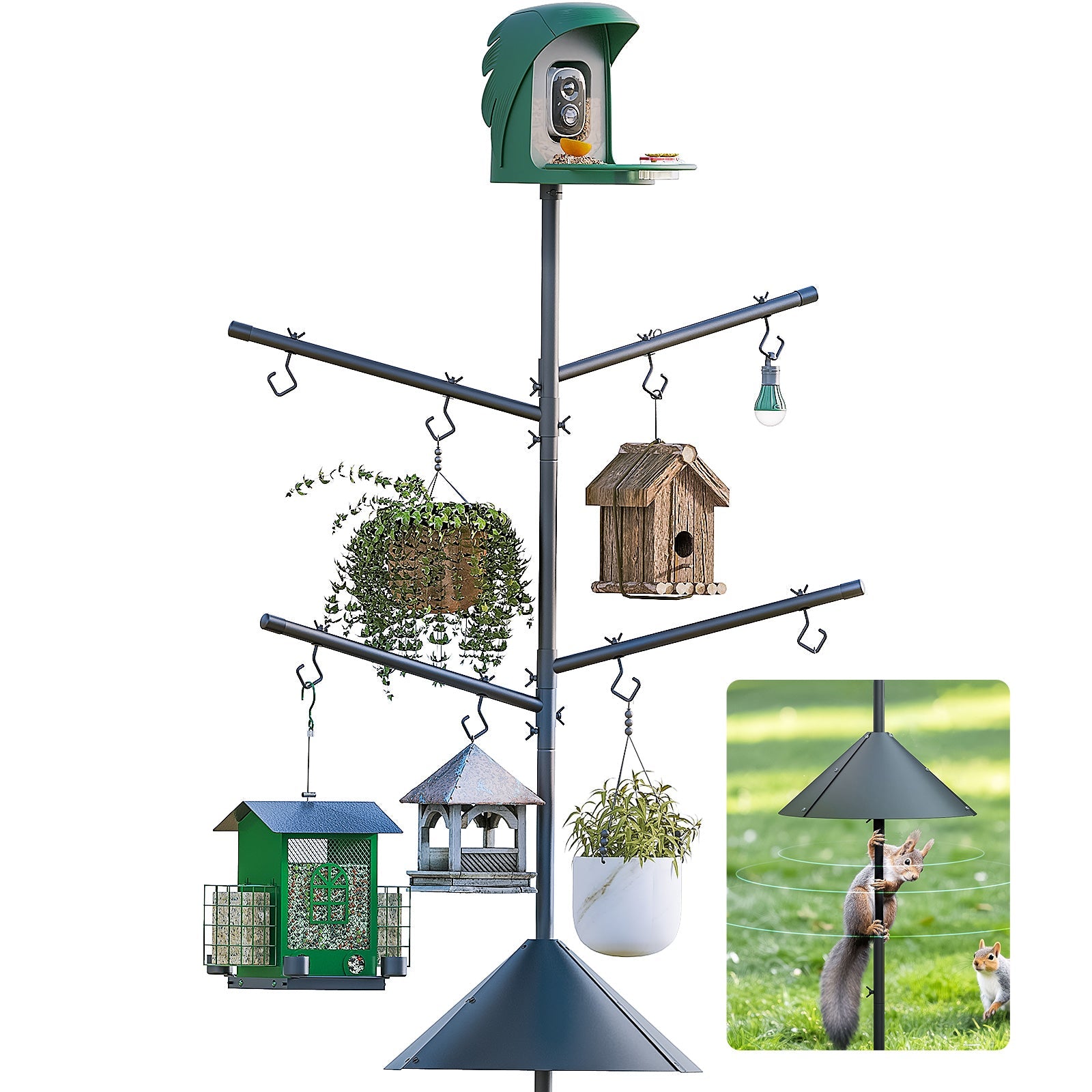
A multi-arm pole station with 360° rotating crossbars lets you run several feeders from a single ground anchor — ideal for peak migration season when you want maximum capacity without cluttering your yard with multiple poles.
The Short Answer
- When do hummingbirds migrate? August–October depending on species and region
- When should you take down your feeder? 2 weeks after your last sighting — not before
- What should you do right now (July–August)? Keep feeders full, change nectar every 2 days, and watch for increased migration activity
Set up your migration-ready hummingbird station: PerchMe Smart AI Bird Feeder | PerchMe Deluxe Pole Station

Laisser un commentaire
Tous les commentaires sont modérés avant d'être publiés.
Ce site est protégé par hCaptcha, et la Politique de confidentialité et les Conditions de service de hCaptcha s’appliquent.