
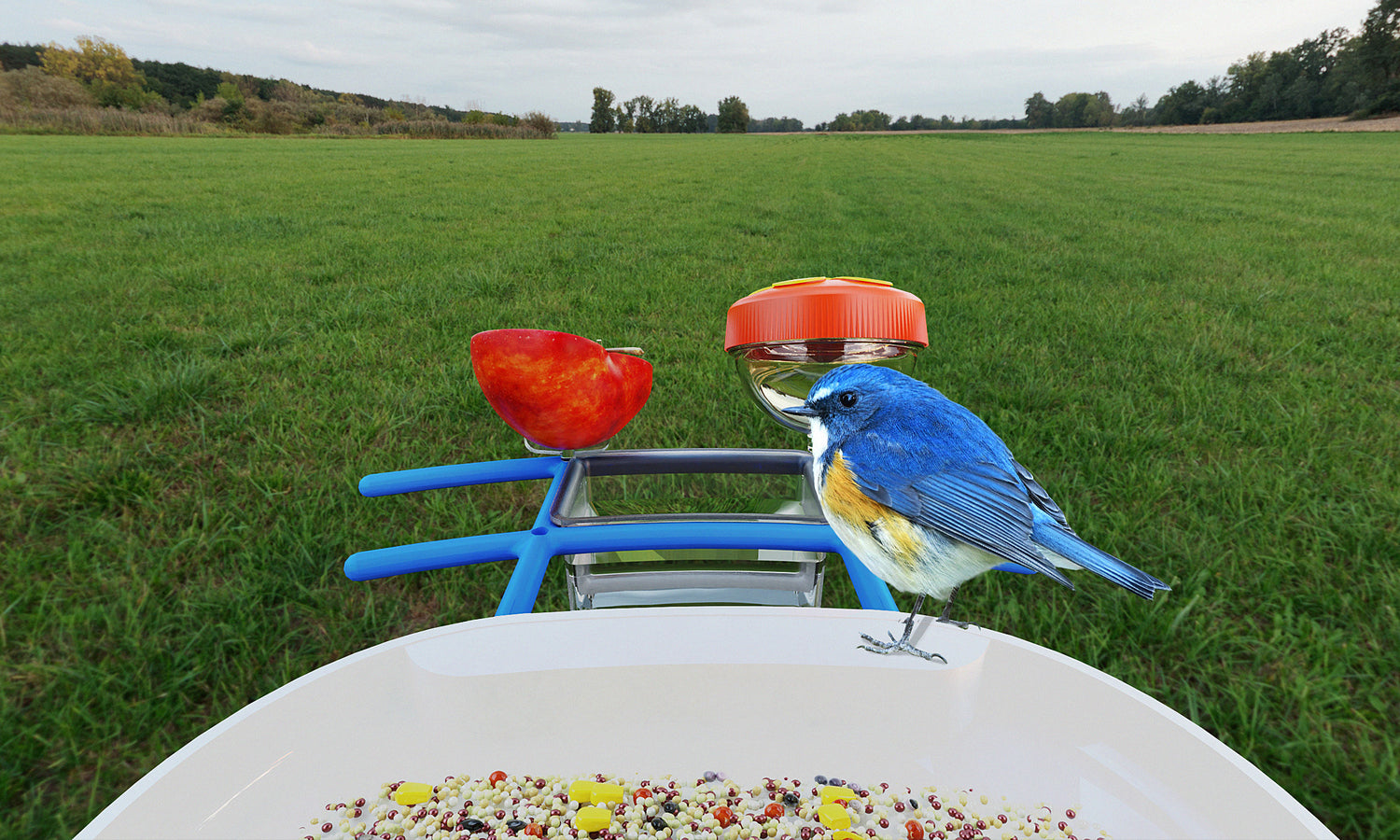
Why Cardinals Are Every Backyard Birder's Favorite
The Northern Cardinal is the most recognized backyard bird in North America — and for good reason. The brilliant red male is unmistakable, and even the subtly beautiful brown female with her red-tipped crest is a joy to watch. Cardinals are year-round residents across most of the eastern US and parts of the Southwest, meaning once you attract them, they'll stay through every season.
The challenge: cardinals are particular about feeders, food, and placement. Get those three things right and you'll have cardinals visiting daily. Get them wrong and you'll wonder why your neighbors have cardinals and you don't.
The Best Food for Cardinals
Cardinals have strong, thick bills designed for cracking large seeds. Their top food choices are:
- Black-oil sunflower seed — the single best cardinal food. High fat content, easy to crack, loved by both males and females.
- Safflower seed — cardinals love it; squirrels and starlings typically don't. A great choice if pest species are a problem.
- Striped sunflower seed — larger than black-oil, equally attractive to cardinals.
- Peanuts (shelled) — a high-energy supplement, especially valuable in winter.
Avoid nyjer (thistle) and millet — cardinals rarely eat these and they'll go to waste.
The Best Feeder Types for Cardinals
Feeder design matters more for cardinals than almost any other species. Cardinals are large birds (8–9 inches) and they don't cling — they need a stable perch and a wide feeding platform.
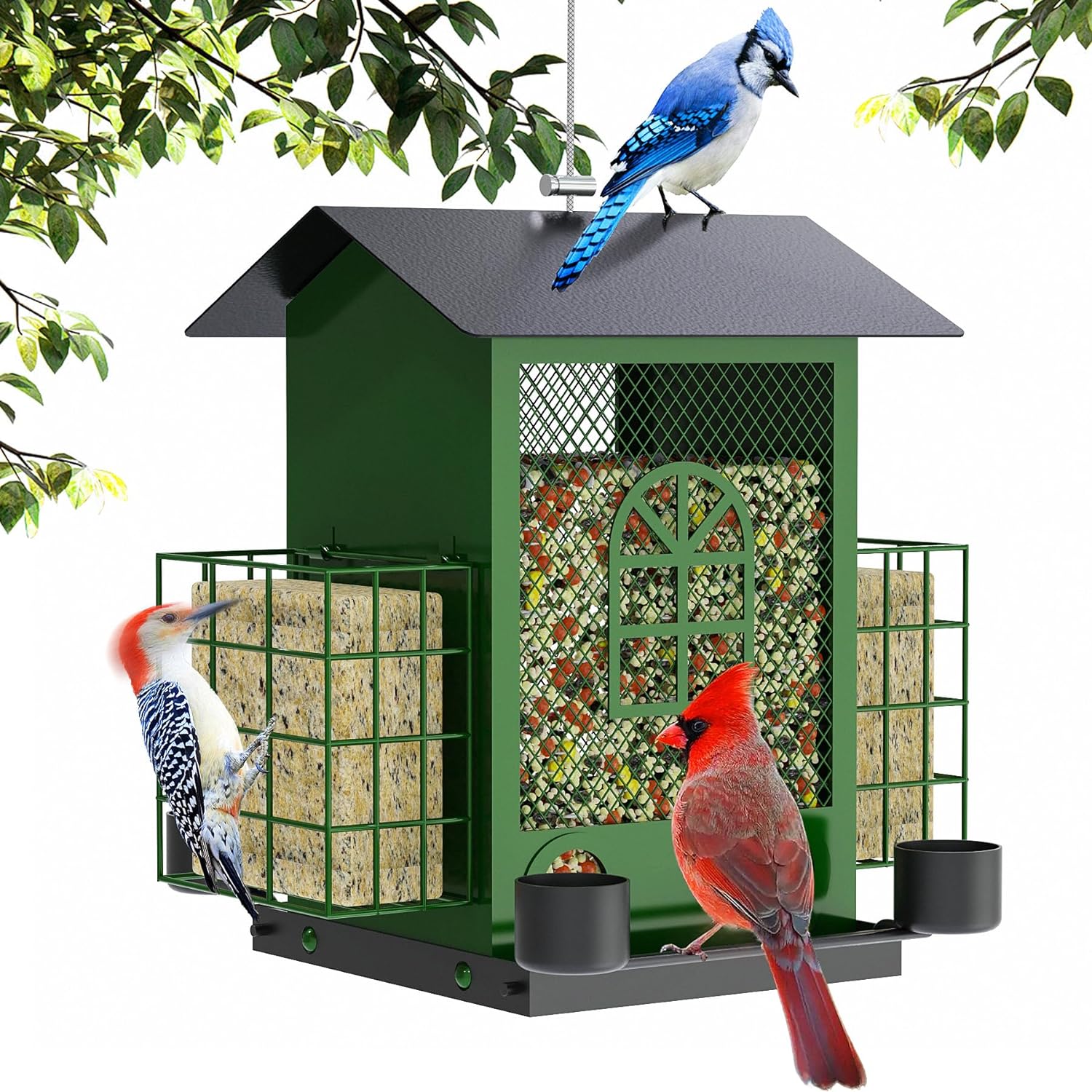
- Hopper feeders — the best all-around choice. Wide perches, large seed capacity, and a roof that keeps seed dry.
- Platform/tray feeders — cardinals love the open space. Great for offering multiple seed types simultaneously.
- Large tube feeders with wide perches — work well if the perches are long enough for a cardinal to sit comfortably.
Avoid: Small tube feeders with short perches. Cardinals will try and fail, then stop visiting.
Placement: Where to Put Your Cardinal Feeder
Cardinals are edge species — they prefer the boundary between open areas and dense cover. In the wild, they feed in shrubby thickets and forest edges. In your backyard, that translates to:
- Within 10 feet of dense shrubs or trees — cardinals want a quick escape route if startled
- 4–5 feet off the ground — their natural feeding height; they're less comfortable at very high or very low feeders
- Away from heavy foot traffic — cardinals are shyer than chickadees and need a quiet feeding area
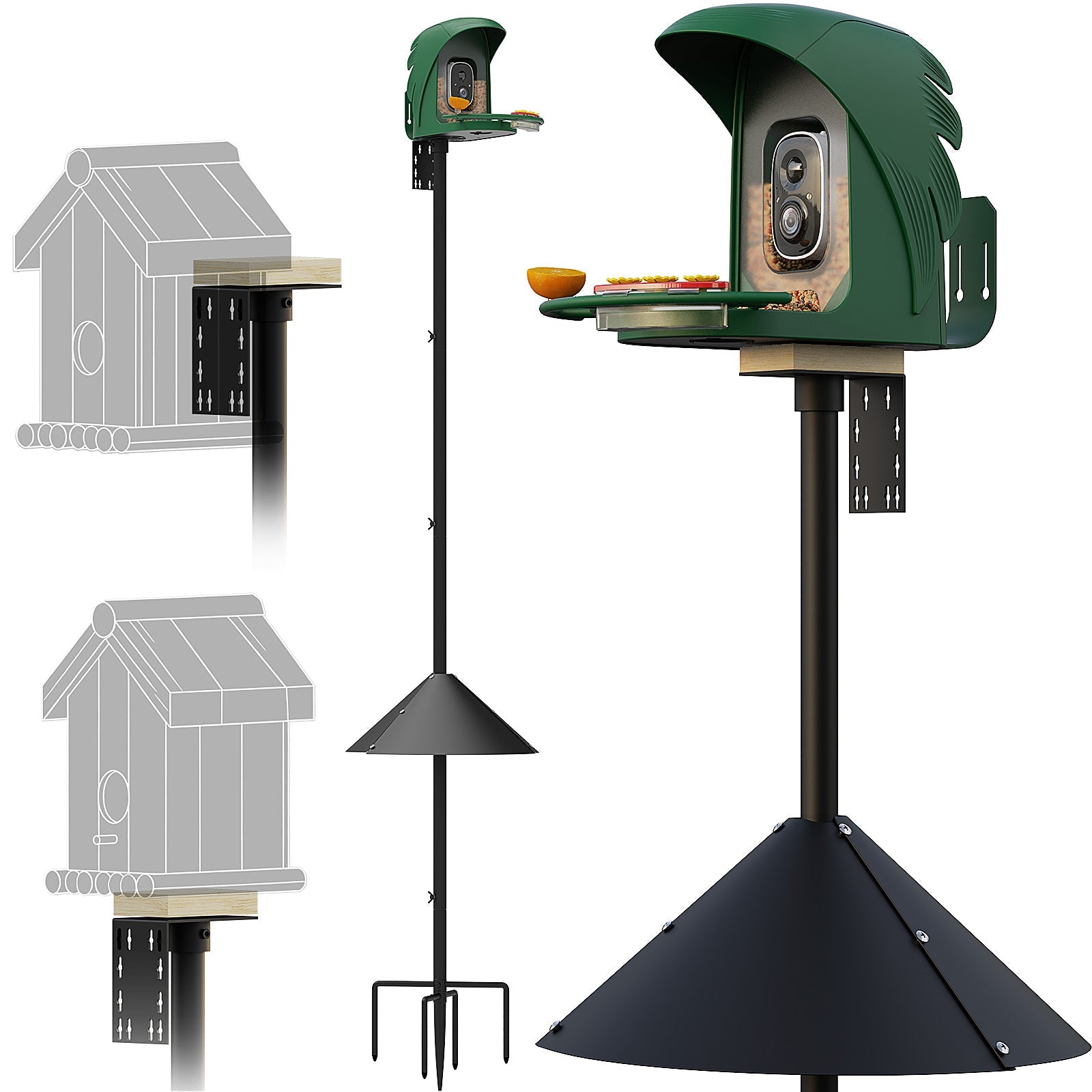
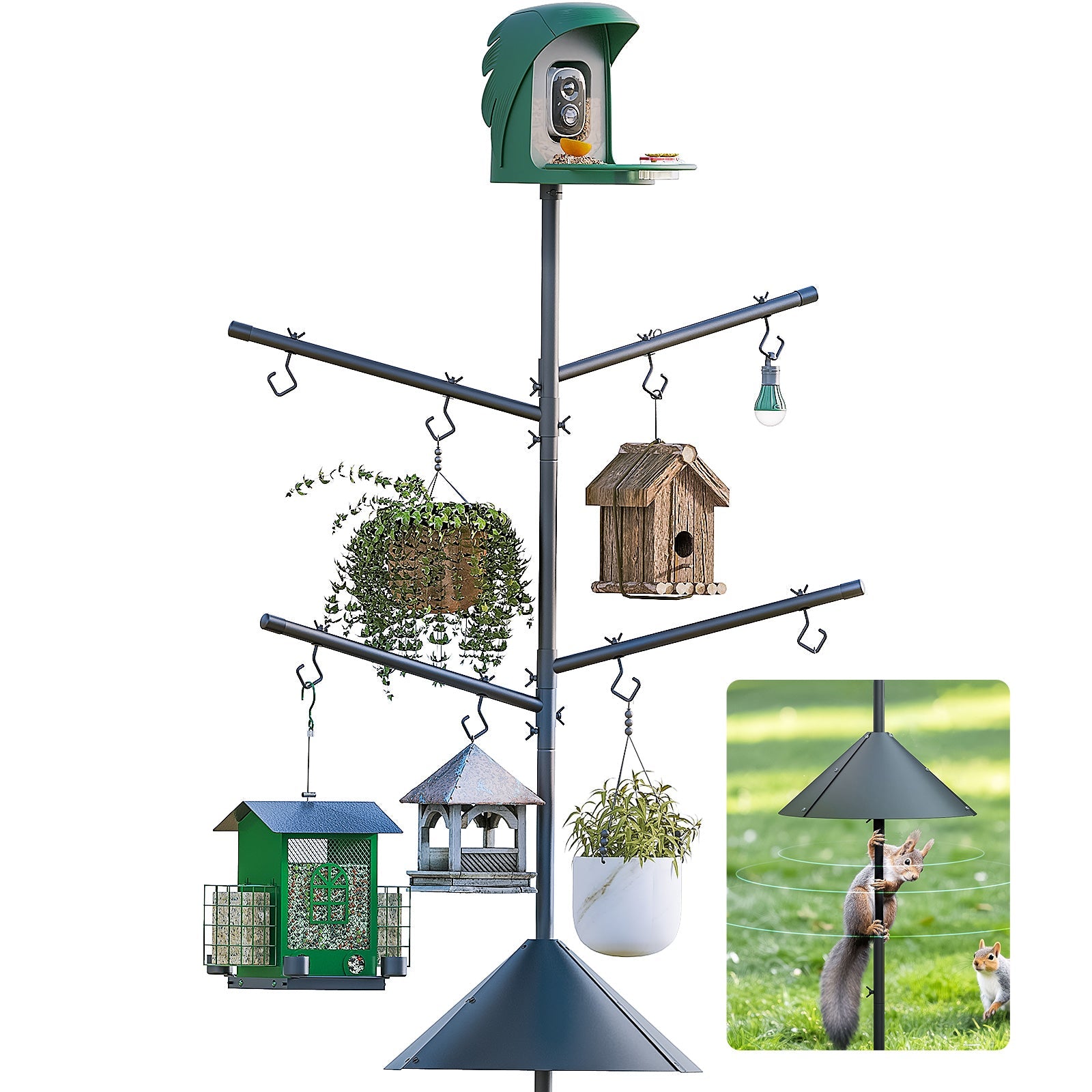
A height-adjustable pole station is ideal for dialing in the right height. The PerchMe 91" Standard Pole Station lets you set the feeder at exactly the right height and reposition seasonally. The PerchMe 92" Deluxe Pole Station adds multiple crossbar hooks so you can run a platform feeder for cardinals alongside other feeder types for different species.
Squirrel-Proofing Your Cardinal Setup
Cardinals and squirrels often compete for the same food — sunflower seed. A pole-mounted feeder with an integrated squirrel baffle is the most reliable solution. Both PerchMe pole stations include a wide squirrel baffle that prevents squirrels from climbing up to the feeders, so the food stays where it belongs: with the birds.
Capture Every Cardinal Visit Automatically
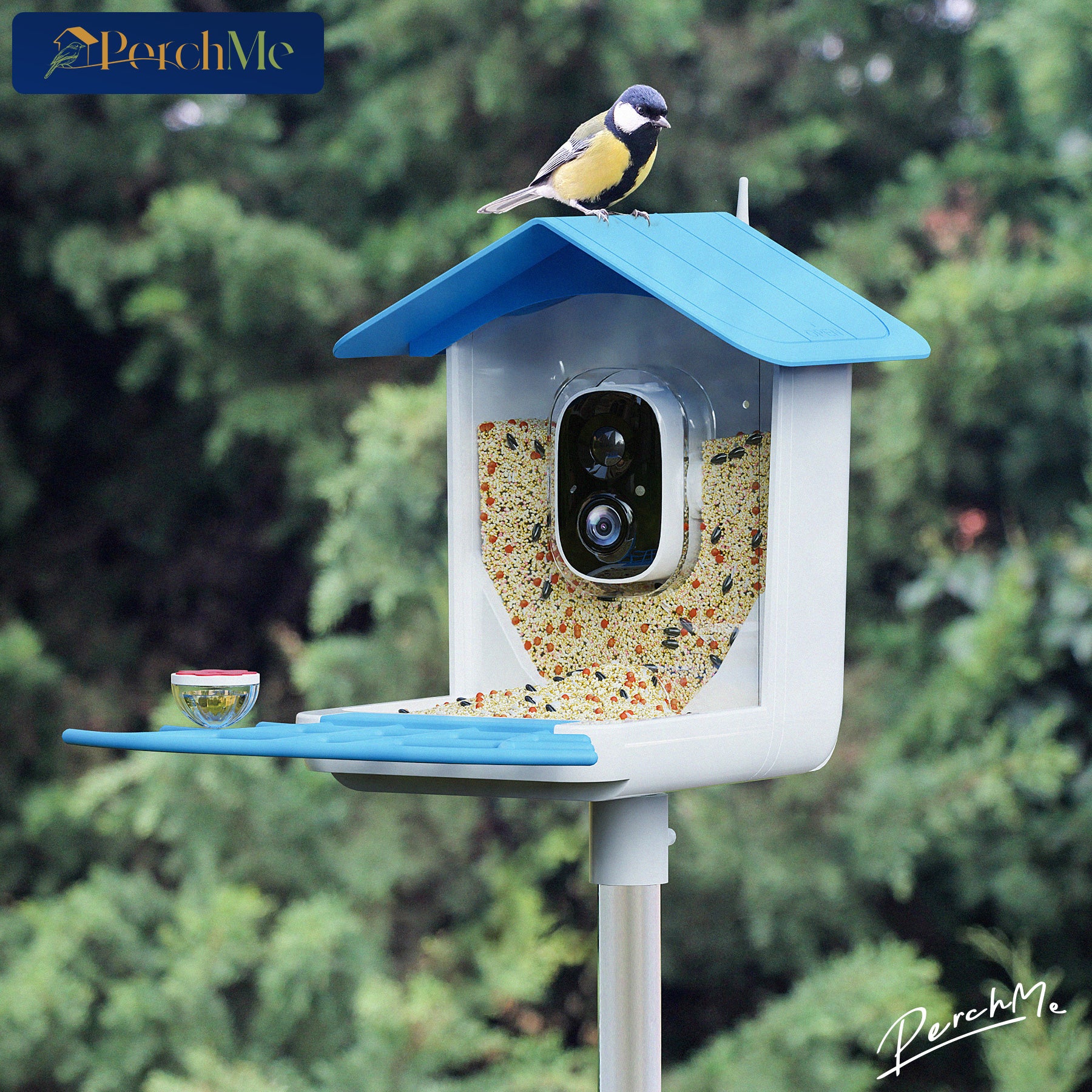
Cardinals are most active at dawn and dusk — times when you might not be watching. The PerchMe Smart AI Bird Feeder solves this with automatic species detection and 2K photo/video capture triggered the moment a bird lands. It identifies cardinals (and every other species) in real time and builds a timestamped log of every visit — so you never miss a moment even when you're not home.
Plants That Attract Cardinals
Feeders work best when combined with cardinal-friendly plantings. Native plants that attract cardinals include:
- Dogwood — berries are a cardinal favorite in fall and winter
- Serviceberry (Amelanchier) — early-season berries, excellent cover
- Eastern red cedar — dense evergreen cover for nesting and roosting
- Coneflower (Echinacea) — seed heads attract cardinals in late summer and fall
- Sunflowers — let them go to seed and cardinals will harvest them directly
Year-Round Cardinal Feeding Tips
- Summer: Keep feeders clean and seed fresh — heat spoils seed quickly. Cardinals are raising young and need reliable food sources.
- Fall: Increase seed quantity as cardinals bulk up for winter. Watch for juvenile cardinals — they look like females but with dark bills.
- Winter: Cardinals are most visible and most dependent on feeders when natural food is scarce. This is peak cardinal-watching season.
- Spring: Males sing from high perches to establish territory. Watch for courtship feeding — males feeding females seed beak-to-beak.
Bottom Line
Attracting cardinals comes down to three things: the right food (black-oil sunflower or safflower), the right feeder (hopper or platform with wide perches), and the right placement (4–5 feet high, near cover, away from traffic). Add a squirrel-proof pole station and a smart feeder to capture every visit, and your backyard becomes a cardinal destination year-round.
Build your cardinal-ready setup: 91" Standard Pole Station | 92" Deluxe Pole Station | PerchMe Smart AI Bird Feeder

Laisser un commentaire
Tous les commentaires sont modérés avant d'être publiés.
Ce site est protégé par hCaptcha, et la Politique de confidentialité et les Conditions de service de hCaptcha s’appliquent.